TS Writer 3 hours ago in Unleavened Bread
 Out of Egypt Again: The Spiritual Pattern of Escape
TS Writer 3 hours ago in Unleavened Bread Every spring, a peculiar ritual takes place in kitchens across the world: cupboards emptied, toasters scrubbed, cracker boxes discarded, and loaves of bread thrown out. Not for spring cleaning’s sake, but for something deeper – a week-long practice handed down for millennia: the Days of Unleavened Bread.
To the outside observer, it may seem odd, even extreme. But to those who keep it, the meaning runs core-deep. It’s a living metaphor – seven days of stepping away from leavened bread to step more fully into a life without sin. And more importantly, into a life of conscious dependence on God to make that possible.
Egypt Wasn’t Left in a Day
Yes, the Israelites began their walk out of Egypt in one night. But the Egypt inside them took much longer to leave. The Days of Unleavened Bread remind us that repentance isn’t a one-time decision; it’s a process – daily, difficult, and often uncomfortable. The physical act of removing leaven is a visible symbol of an ongoing, invisible struggle: leaving behind the habits, thoughts, and desires that once enslaved us.
Leaven as Pride and Sin

Paul was not speaking poetically when he wrote, “a little leaven leavens the whole lump.” Pride does not arrive all at once. It works quietly, almost imperceptibly, spreading until it shapes the whole inner life.
In Scripture, leaven often represents sin—not because of what it is, but because of how it works: slowly, subtly, and thoroughly. What begins as something small, even unrecognized, does not remain contained. Given time, it permeates everything.
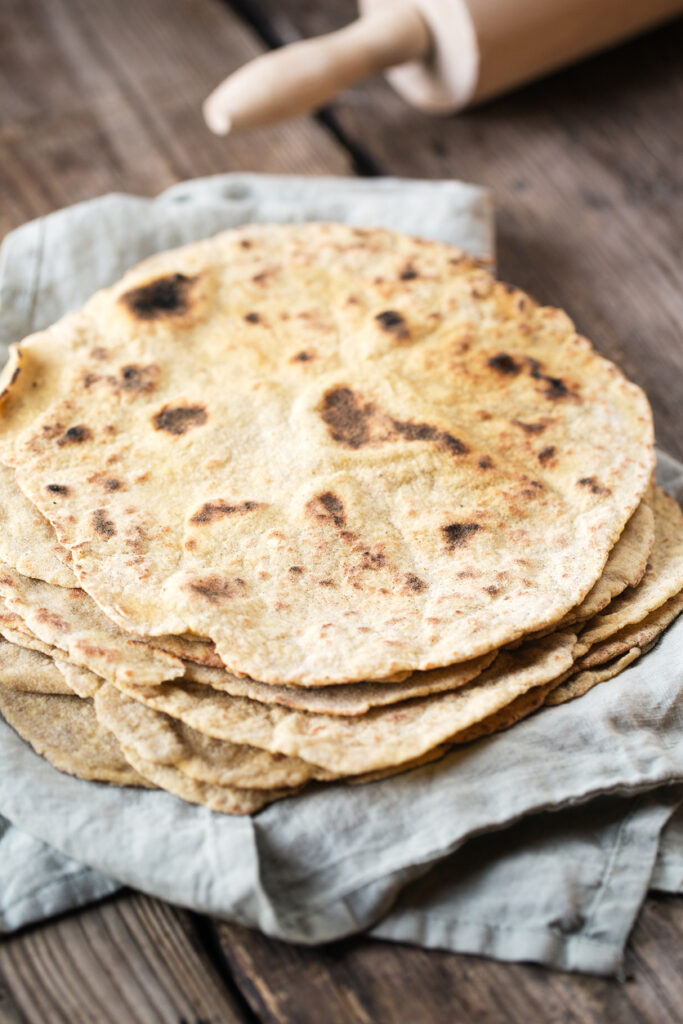
This feast reminds us to seek the humility pictured through unleavened bread—flat, simple, dependent. Not puffed up with self-importance or false righteousness. Not shaped or influenced by the world, but set apart—pure.
Become a New Lump
“Let us keep the feast… with the unleavened bread of sincerity and truth.” That’s not just metaphor – it’s the work of transformation. To become a new lump is to become something freshly made, no longer mingled with the old. It’s about discarding the mindset that justified sin, cherished ego, and relied on self.
God isn’t asking for perfection, but sincerity. He asks us to be honest about our condition, truthful about our need, and willing to be reshaped.
God Does the Work – But We Participate
Just like the Israelites could not escape Egypt without God parting the sea, we cannot escape sin without divine help. But they did have to walk out. They had to trust, follow, and act.
The Days of Unleavened Bread emphasize both dependence and participation: God cleanses, but we remove. We throw out the bread, we search for the crumbs, we sweep the corners of our hearts. Not because we earn salvation by doing so, but because we long to live the freedom we’ve been given.
The Journey Is Repeated, Because Growth Is Ongoing
If the Passover marks our forgiveness through Christ’s sacrifice, then Unleavened Bread marks what comes next – transformation. But just like spring returns every year, so does this call to reflection. Every year, we find more leaven. And that’s the point.
There is no shame in discovering what still needs to change. It is an opportunity—to respond, to be humbled, and to continue the journey out of Egypt.
A Final Thought
The Days of Unleavened Bread aren’t just a historical reenactment or a dietary inconvenience. They’re a mirror, a rhythm, a lesson. In a world constantly trying to puff us up – through pride, self-reliance, and cultural Egypts – this week calls us back to simplicity, sincerity, and truth.
To choose to be flat. To become new. To be not of this word…