Keeping the Passover and Days of Unleavened Bread truthsum.org

As Passover approaches each spring, it brings more than seasonal change – it stirs a deeper anticipation tied to God’s Holy Days. I remember that sense of build-up as a child: messages each Sabbath, the house being carefully cleaned, and the search for leaven in even the smallest places. Those moments weren’t just routine – they were shaping something lasting.
Today, my wife and I are passing those same practices on to our children.
For many, Passover is viewed as a historical remembrance. Yet Scripture presents it as something more – a living, commanded observance filled with meaning for believers now. It calls us not only to remember, but to participate.
Preparation begins with self-examination: a time to reflect, repent, and recognize our need for Christ’s sacrifice (1 Corinthians 11:28). Alongside this, removing leaven from our homes becomes a physical reminder of a spiritual reality – how sin can spread, and how intentional we must be in putting it out of our lives (1 Corinthians 5:6–8).
The Passover itself is deeply solemn. Following Christ’s example, we partake of the bread and wine, symbols of His body and blood, and are reminded of humility through the act of service He demonstrated.
The observance continues with the Days of Unleavened Bread – an active, daily practice that reinforces sincerity, truth, and a life aligned with God.
These days are more than tradition. They are purposeful, instructive, and alive – calling us each year to reflect, renew, and draw closer to God.
#Passover #DaysOfUnleavenedBread #BiblicalTraditions #ChristSacrifice
Report Story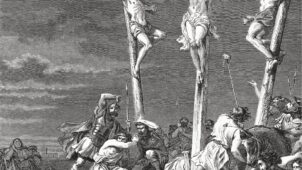




Leave Your Comment