Keeping the Passover and Days of Unleavened Bread

A Living Practice Rooted in Scripture
As we approach the Passover, spring always brings back warm memories for me. There’s a natural sense of anticipation this time of year – plants and trees coming back to life, songbirds returning – but also something deeper tied to God’s Holy Days.
Looking back as a child, there was always a noticeable build-up leading to the Passover. Messages each Sabbath. The bustle around the house as we went through the deep cleaning – removing leavened products. The collection of items that needed to be used up on the counter – bread, crackers, cereals. Armed with a vacuum in hand, we searched for crumbs that somehow found their way into the most unlikely and inconvenient of places.
And then came the night of the Passover.
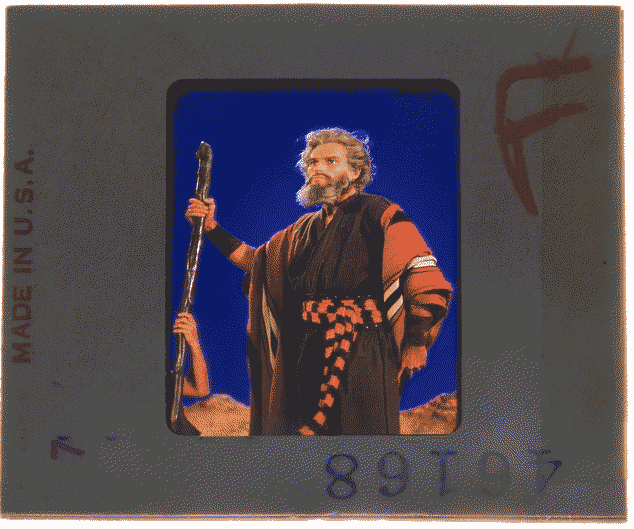
I remember the adults preparing and leaving to attend the Passover service – traditionally kept by baptized members – while we stayed home and often watched The Ten Commandments, starring Charlton Heston. It was an entertaining way to rehearse and remember the original Passover. Oh, we knew it wasn’t a perfect reenactment of all the events, but it brought the story to life in a way a child could connect with – at least it did for me.
For as long as I can remember, these are the traditions I was raised in – observing the Passover and the Days of Unleavened Bread as outlined in Scripture. Today, my wife and I are passing these same practices on to our children.
For many, the Passover and the Days of Unleavened Bread are seen as historical observances – events remembered, but not necessarily practiced. Yet Scripture presents them not only as memorials, but as living, commanded observances filled with meaning for believers today.
One thing I learned early on is that these days are not simply about ritual – they are about reflection, repentance, and renewal..
Preparing for the Passover
The observance begins well before the Passover evening itself.
Spiritually, we are instructed to examine ourselves:
“But let a man examine himself, and so let him eat of that bread, and drink of that cup.” – 1 Corinthians 11:28
This self-examination is deeply personal. It is a time to reflect on our lives, to recognize our shortcomings, and to understand why Christ’s sacrifice is necessary. It brings into focus the reality of sin and our need for forgiveness.
At the same time, preparation takes on a physical dimension. Following the instructions given in Exodus 12:15, leaven is removed from our homes:
“Seven days shall ye eat unleavened bread; even the first day ye shall put away leaven out of your houses…”
This extends beyond the home – into vehicles, workplaces, and daily environments.
The process itself becomes a lesson. Leaven, symbolic of sin (1 Corinthians 5:6–8), is often more pervasive than expected. As it is removed, we are reminded of how deeply sin can permeate our lives – and how intentional we must be in removing it.
The Passover Service
At the beginning of the 14th day of the first month, we gather to observe the Passover, following the pattern established by Christ on the night before His crucifixion.
As recorded in John 13, Jesus washed the disciples’ feet, setting an example of humility and service:
“If I then, your Lord and Master, have washed your feet; ye also ought to wash one another’s feet.” – John 13:14
This practice is continued today, reminding us that greatness in God’s Kingdom is found in serving others.
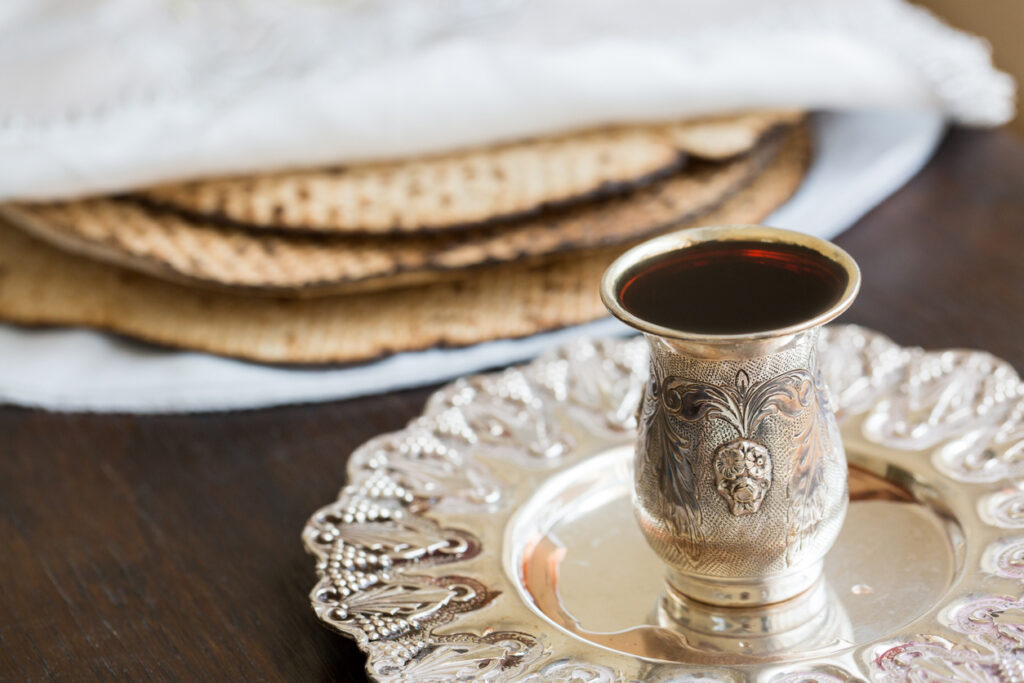
We then partake of the symbols Christ established:
- Unleavened bread, representing His broken body (1 Corinthians 11:24)
- Wine, representing His shed blood for the remission of sins (Matthew 26:27–28)
These are not taken casually – they are deeply solemn acts of remembrance.
Throughout the service, the Scriptures are read, recounting the events of that night and their meaning. The service typically concludes with a hymn, echoing the example set in Matthew 26:30.
A Night to Be Much Observed
Following the Passover, at the beginning of the 15th day, we observe what Scripture calls:
“a night to be much observed unto the Lord…” – Exodus 12:42
This night commemorates Israel’s departure from Egypt – a moment of deliverance and freedom.
It is marked by gathering together for a special meal, often including traditional elements such as lamb, herbs, and unleavened bread. But beyond the meal, the focus is on remembering what God has done – both in delivering Israel and in providing salvation through Christ.
It is a night set apart:
- Families gather
- The setting is intentional and meaningful
- Even small touches – like special meals or gifts for children – reinforce that this is not an ordinary evening
It is both reflective and celebratory.
The Days of Unleavened Bread
The observance continues with the Days of Unleavened Bread, beginning and ending with commanded Sabbaths (Leviticus 23:6–8).
During this time:
- Leaven remains removed from our possessions
- Unleavened bread is eaten daily
But again, the physical actions point to deeper truths:
“Therefore let us keep the feast… with the unleavened bread of sincerity and truth.” – 1 Corinthians 5:8
This period becomes a constant, daily reminder.
Avoiding leaven requires awareness. It changes routines. It forces intentional choices. And in doing so, it keeps the symbolism front of mind:
- The seriousness of sin
- The need to remove it
- The ongoing effort required to live differently in a world where sin is pervasive
It is not passive – it is a conscious, daily exercise.
More Than a Tradition
These observances are not empty customs or inherited traditions. They are instructional, purposeful, and deeply meaningful practices rooted in Scripture.
They teach:
- The cost of sin
- The necessity of Christ’s sacrifice
- The responsibility to examine and change
- The ongoing effort to live a life aligned with God
In keeping them, we are not simply remembering the past – we are actively engaging with the lessons they were designed to teach and rehearsing the unfolding plan of God, a plan that in many ways is anchored in Christ’s sacrifice as our Passover Lamb.